
Where Intimacy Meets Intensity: The Yuronono Effect
WRITTEN BY PAISLEY CASS - PHOTOS TAKEN BY TANNER LE MOINEMany of the songs that make up Yuronono’s latest release, Watching You Float, were written during some of the darkest stretches of her life. Some even date back to the years where Yuro felt like a “girl failure” or “forcefully introverted”, chronically online and forcefully isolated. That version of herself, half-persona, half-coping mechanism was quietly disrupted at their first sold-out show this past August at Gold Diggers in Los Angeles. It’s a full-circle moment: the work she made to survive is now filling entire rooms of people who see themselves in her music.
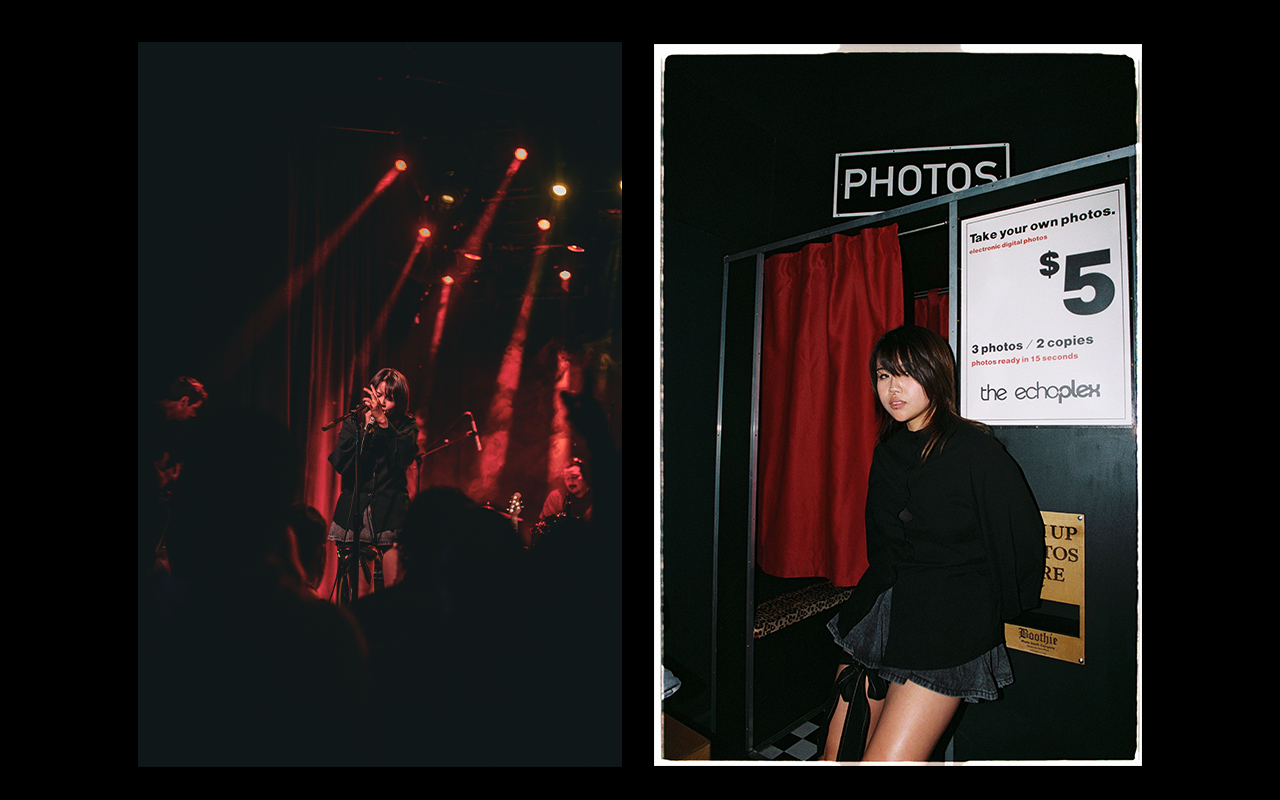
The album sits in that uncomfortable, intimate pocket where loneliness and reluctant hope overlap. Like being a kid up way past your bedtime hiding from your parents, from the world, under the covers with the glow of Nintendo DS outing your attempt to escape. Sonically, it’s sparse and intimate production because that’s all Yuro could hold at the time. “I make music to cope… so it’s kinda embarrassing when people say ‘oh this song was so good’ Still, through the personal and confessional nature of their lyrics, you can hear her lineage from emo acts such as MCR and Paramore of course, drifting into dreamier, more grunge-adjacent influences like Pity Sex. The textures of those influences show up in the work through the melancholy pacing, the emotional directness and the sense of catharsis embedded in even the softest arrangements.

They're quick to add that they don’t see themselves as fitting neatly inside any single scene. Fans love to poke by calling the music shoe gaze, which they are emphatic to correct. “Alternative indie” is the umbrella they reach for, but it’s not with enough conviction to plant a flag in it. What defines Yuro’s sound isn’t a genre, it’s instinct. Their lyrics stay intentionally simple, almost blunt, while melodies move in unexpected ways that feel more like emotional reflexes than heavily ruminated decisions.
Two songs in particular, “crying spells” and “promise me” were the tracks that stand out in my listening. For how intimate and personal both tracks are, neither were solely produced by Yuro alone. “crying spells” comes from a 16-year-old producer in New Zealand, Noah Birch, whose sense of emotional atmosphere impressed them immediately. They describe the song as the sound of anxiety unraveling; the fear of being alone and the body’s instinctive retreat into tears. “promise me” , produced by VampireIsThatYou, lives on the opposite end of the emotional spectrum, full of sonic abrasion and unchecked emotion.
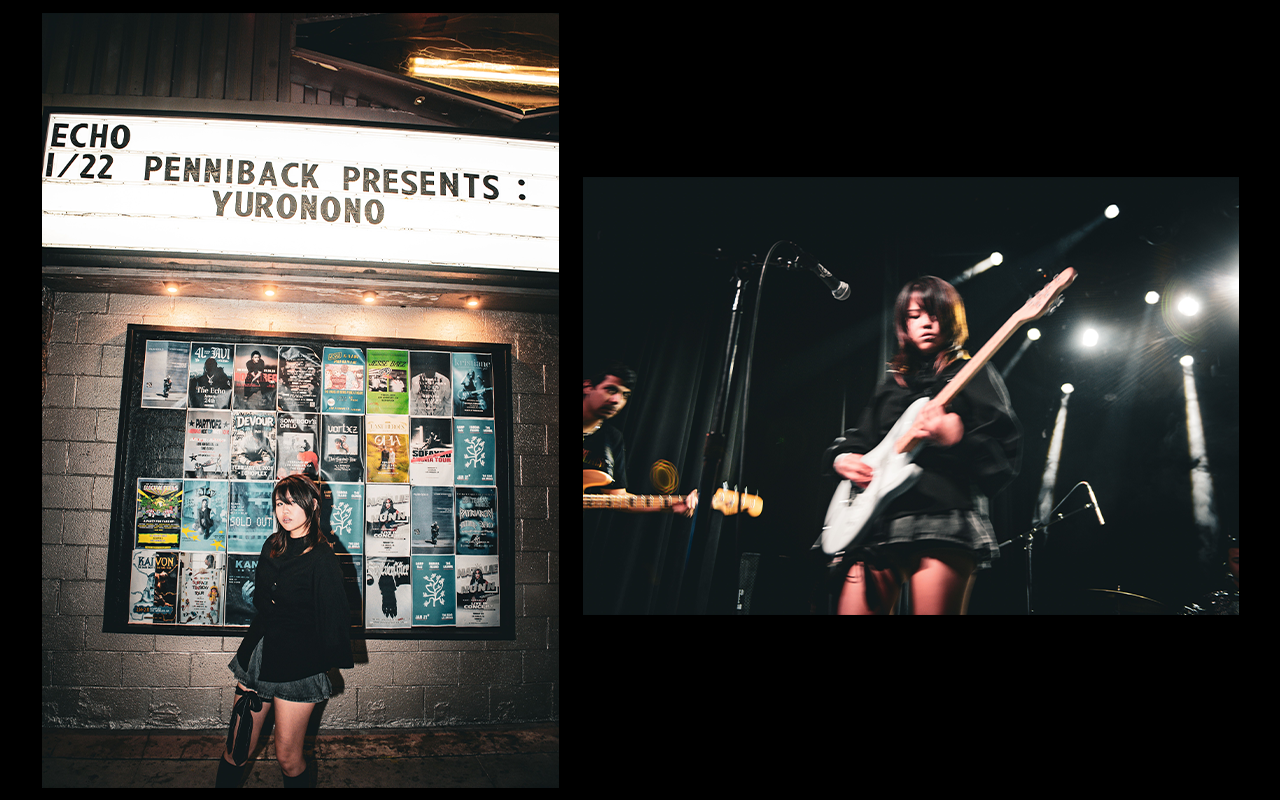
Visually, Yuro finds herself inspired more by anime than live-action, especially the psychological chaos of Evangelion. That mix of internal apocalypse and quiet beauty shows up in the album’s sequencing. It moves from mellow to chaotic, coded like a grief cycle from denial to anger, with no pressure to reach neat acceptance by the end. She’s clear that she isn’t there yet, and she isn’t pretending otherwise. “Being able to acknowledge what happened to me is already a big step ahead.”
Through all of this, one thing has clarified for her: she cares about her craft, and she cares about ownership. Yuro remains shy about promotion, and to be an Aries, shockingly bashful in praise. For someone who called herself a shut-in girl failure at the top of our conversation, she’s building a world that feels anything but small. Watching You Float feels like the shedding of an old skin. And if this album is the product of what they’ve survived, the next body of work is sure to be the shimmering scales underneath.